Identifying Vermiculite Insulation
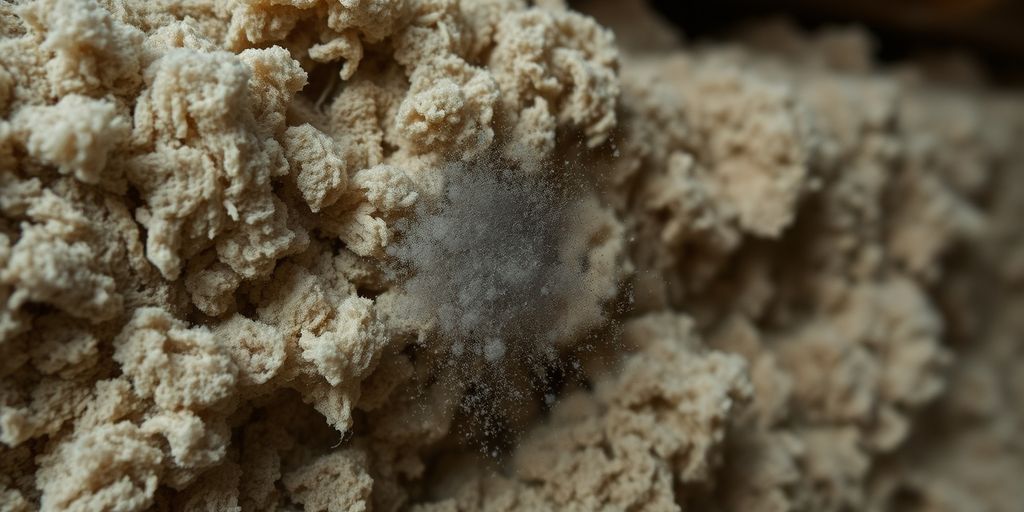
Vermiculite insulation is often overlooked when considering asbestos risks in homes. This material, which resembles shiny kitty litter, was commonly used in attics, around pipes, and in fireplaces before the 1970s. If your home was built during or before this period, there’s a chance you have vermiculite insulation. It’s important to know what to look for: vermiculite’s shiny, granular appearance is a key indicator. Homeowners should be aware of key signs indicating the presence of asbestos, such as damaged insulation.
Risks Associated with Vermiculite
The primary concern with vermiculite insulation is its potential asbestos content. Asbestos exposure can lead to severe health conditions like asbestosis, lung cancer, and mesothelioma. These risks arise when asbestos fibers become airborne and are inhaled. It’s crucial to understand that not all vermiculite contains asbestos, but a significant portion does, especially if it was sourced from contaminated mines. Vermiculite insulation may contain asbestos, posing serious health risks.
Safe Handling and Removal
If you suspect that your insulation contains asbestos, it’s vital to handle it with care. Here are some steps to ensure safety:
- Do not disturb the insulation: Avoid any actions that might release fibers into the air.
- Consult a professional: Always hire a certified asbestos abatement professional to assess and handle the material.
- Proper disposal: Ensure that any removal is done following local regulations for hazardous waste.
Attempting to remove asbestos-containing materials on your own can be dangerous. Professional services are equipped with the necessary tools and expertise to manage the risks effectively.
Asbestos in Roofing Materials
Common Roofing Materials Containing Asbestos
Back in the day, asbestos was a go-to for roofing. Its fire-resistant and durable nature made it perfect for shingles, tar paper, and even some sealants. Many homes built before the 1980s might still have these materials. Asbestos roofing shingles were popular because they could withstand harsh weather and fire. But over time, they can break down, releasing harmful fibers. Tar paper and felt, used under shingles, also often contained asbestos. These materials are usually hidden but can be dangerous if disturbed during repairs.
Signs of Asbestos in Roofing
Spotting asbestos in your roof isn’t always straightforward. Here are a few things to watch for:
- Age of the Home: If your house was built before the 1980s, there’s a chance asbestos materials were used.
- Brittle or Cracked Shingles: Older shingles that are breaking apart might contain asbestos.
- Silver Paint Sealants: These sealants, often used around chimneys or vents, might have asbestos.
If you’re unsure, it’s best to get a professional inspection to confirm the presence of asbestos.
Professional Inspection and Testing
If you suspect asbestos in your roofing, don’t handle it yourself. Professionals can safely test and remove these materials. They’ll follow Asbestos NESHAP regulations to ensure the job is done safely. Remember, disturbing asbestos without proper precautions can lead to serious health issues, including mesothelioma. Always opt for expert help.
The Dangers of Popcorn Ceilings
History of Popcorn Ceilings
Popcorn ceilings, also known as acoustic ceilings, were a hit back in the 1960s and 70s. They were all the rage because they could hide imperfections pretty well and had some soundproofing benefits. But here’s the kicker: many of these ceilings were made with asbestos, a harmful mineral. Asbestos was commonly used because it was cheap and durable. However, its use in popcorn ceilings became a concern when the health risks were discovered. If your home was built before 1980, there’s a chance your popcorn ceiling might contain asbestos.
Health Risks of Asbestos in Ceilings
The main issue with asbestos in popcorn ceilings is the potential for fibers to become airborne. If you disturb the ceiling—like during renovations or even cleaning—you might release these fibers into the air. Breathing in asbestos fibers can lead to serious health problems, including lung cancer, mesothelioma, and asbestosis. It’s crucial to know that the risk is significant when the ceiling is damaged or disturbed.
Alternatives to Popcorn Ceilings
If you’re thinking about getting rid of a popcorn ceiling, there are several alternatives you might consider.
- Smooth Ceilings: A classic choice, smooth ceilings offer a clean and modern look.
- Textured Paint: If you like some texture, you can use textured paint that doesn’t contain asbestos.
- Wooden Planks: Adding wooden planks can give a rustic feel and is a safe option.
Whatever you choose, make sure to test for asbestos first and hire professionals for removal if needed. It’s always better to be safe than sorry when dealing with potential asbestos exposure.
Asbestos in Wall Textures
Types of Wall Textures with Asbestos
In homes constructed before the 1980s, asbestos was often used in wall textures due to its durability and fire-resistant properties. Textured walls, especially those in older homes, may contain asbestos if they were treated with materials similar to those used in popcorn ceilings. Often, leftover materials from ceiling applications were used on walls, making them a potential asbestos source. It’s crucial to test any textured walls in homes built before 1970 to ensure they are asbestos-free.
Health Implications
Asbestos fibers, when disturbed, can become airborne and pose significant health risks. Inhaling these fibers can lead to severe respiratory conditions, including asbestosis, lung cancer, and mesothelioma. The danger is particularly acute when homeowners undertake renovations without knowing the risks. It’s essential to recognize that asbestos in wall textures doesn’t pose a threat unless the material is disturbed. Therefore, it’s vital to handle such walls with care and avoid any unnecessary disturbance.
Safe Removal Practices
If asbestos is suspected in wall textures, professional removal is the safest course of action. Attempting to remove asbestos-containing materials without professional help can increase the risk of fiber release. Professionals follow strict guidelines to ensure safe removal, including sealing off the area and using specialized equipment to prevent contamination. Homeowners should never attempt to handle asbestos removal themselves. Instead, they should hire certified experts to ensure that their living environment remains safe and asbestos-free.
Flooring Materials and Asbestos
Vinyl Tiles and Asbestos
Before the 1980s, flooring products like linoleum, asphalt, and vinyl contained asbestos, exposing many individuals to the risk of mesothelioma. Vinyl tiles, a popular choice in homes built between the 1920s and 1980s, often contain asbestos. These tiles were favored for their durability and resistance to wear and tear. However, as these tiles age, they can become brittle and may release asbestos fibers if they are broken or damaged. It’s crucial to handle these materials with care to avoid releasing harmful fibers into the air.
Asbestos in Flooring Adhesives
Even if the vinyl tiles themselves do not contain asbestos, the adhesive used to secure them, known as mastic, often does. This adhesive is typically black or dark brown and can become a significant hazard if disturbed during renovations. Removing old flooring in an older home should always be done with caution, and it’s advisable to have the area tested for asbestos before proceeding with any work.
Safe Renovation Practices
If you suspect asbestos in your flooring, it’s essential to approach renovations with caution. Here are some steps to ensure safety:
- Professional Testing: Always have a professional test for asbestos before starting any renovation work. Asbestos can’t be identified by sight or smell.
- Hire Licensed Professionals: Due to the health risks associated with asbestos exposure, removal should ideally be done by licensed professionals.
- Follow Safety Protocols: If you choose to handle the removal yourself, wear personal protective gear, such as a respirator and disposable coveralls. Dampen the materials before extraction to lessen dust, and meticulously seal and label waste for proper disposal.
Remember, improper removal and disposal of asbestos can lead to substantial fines and potential liability. Some areas even require homeowners to acquire a permit for asbestos removal, so it’s vital to research local regulations and ensure adherence.
Asbestos in HVAC Systems
Identifying Asbestos in Ducts
In older homes, especially those built before the 1970s, HVAC systems often incorporate asbestos in various components. One common place to find asbestos is in the insulation wrapping around the ductwork. This insulation, usually appearing as a white or gray fibrous material, was used to prevent heat loss and reduce fire risks. Over time, this insulation can become brittle, increasing the risk of asbestos fibers becoming airborne. Spotting this material early is crucial to prevent potential health hazards.
Health Risks of Asbestos in HVAC
Exposure to asbestos fibers, even in small amounts, can lead to serious health issues. Inhaling these fibers can cause diseases like asbestosis, lung cancer, and mesothelioma. HVAC workers and homeowners may face significant risks when dealing with older systems, as disturbing the asbestos material can release fibers into the air. HVAC workers face significant risks from asbestos exposure, which can lead to severe illnesses.
Professional Removal Services
Due to the dangers associated with asbestos, it’s important to hire professionals for removal. These experts are trained to handle asbestos safely, using specialized equipment to minimize fiber release. Before any work begins, it’s advisable to have the system inspected by a certified asbestos professional. They can identify asbestos presence and recommend the best course of action. To ensure safety, professionals often disable HVAC systems during removal to prevent fiber spread. Proper safety protocols are essential when handling asbestos, including using wet wipes or HEPA vacuums for cleaning.
Fireproof Doors and Asbestos
Characteristics of Asbestos Fireproof Doors
Fireproof doors, especially those made in older buildings, often contain asbestos due to its excellent heat-resistant properties. These doors can be identified by their heavy and rigid nature, which is a result of an asbestos core. It’s crucial to test these doors for asbestos before any removal or replacement. If you’re unsure, it’s best to consult a professional who can perform the necessary tests to confirm the presence of asbestos.
Health Risks
Exposure to asbestos fibers released from deteriorating or damaged fireproof doors poses significant health risks. Inhalation of these fibers can lead to serious health issues, including lung diseases and cancers such as mesothelioma. Asbestos is particularly dangerous because its fibers can remain airborne for extended periods and are easily inhaled. Thus, maintaining the integrity of these doors and ensuring they remain undisturbed is essential to prevent exposure.
Replacement Options
If a fireproof door is found to contain asbestos, replacement is often the safest option. Here are some steps to consider:
- Consult a professional: Engage with experts who specialize in asbestos removal to ensure safe handling.
- Choose alternative materials: Opt for modern fireproof doors made from non-asbestos materials like steel or fiberglass.
- Ensure proper disposal: Asbestos-containing materials must be disposed of in compliance with local regulations to prevent environmental contamination.
For those dealing with asbestos in fireproof doors, understanding the risks and knowing how to safely replace these doors is vital. Asbestos in fireproofing materials can be a hidden danger, so professional guidance and safe practices are essential.
Asbestos in Window Putty
Identifying Asbestos in Window Putty
In older homes, especially those with single-pane wooden windows, window putty might contain asbestos. Asbestos was often added to the putty to increase its durability and resistance to elements. To identify potential asbestos in window putty, look for putty that appears brittle, crumbling, or has a chalky texture. These signs suggest that the material has degraded over time and may release asbestos fibers.
Health Risks of Asbestos Exposure
Exposure to asbestos fibers poses significant health risks, including respiratory issues and diseases such as asbestosis and mesothelioma. When window putty containing asbestos deteriorates, it can release fibers into the air, which are easily inhaled. Inhaling these fibers can lead to severe health problems over time. Therefore, it’s crucial to handle any suspected asbestos-containing materials with care.
Safe Removal and Replacement
When dealing with asbestos in window putty, safety should be the top priority. Here are the steps to ensure safe removal and replacement:
- Hire a Professional: It’s essential to engage a certified professional for asbestos testing to confirm the presence of asbestos.
- Use Proper Equipment: Ensure that the removal process involves the use of appropriate safety gear, including masks and gloves, to prevent inhalation or skin contact with asbestos fibers.
- Dispose of Materials Safely: Follow local regulations for the safe disposal of asbestos-containing materials to prevent environmental contamination.
By following these steps, homeowners can effectively manage the risks associated with asbestos in window putty, ensuring a safer living environment.
Asbestos in Older Boilers
Identifying Asbestos in Boilers
Older boilers, especially those used in homes built before the 1980s, often contain asbestos insulation. This insulation was commonly wrapped around the boiler to prevent heat loss and increase fire resistance. Identifying asbestos in these systems can be tricky since the material often appears as a white or grayish coating. Homeowners should look for signs of wear, such as cracks or crumbling, which could indicate the presence of asbestos. Remember, only a professional inspection can confirm whether asbestos is present.
Health Risks of Asbestos in Boilers
Asbestos exposure poses serious health risks, including lung diseases and cancer. When asbestos-containing materials in boilers become damaged, they can release fibers into the air. Inhaling these fibers can lead to significant health problems over time. Symptoms might not appear immediately, making asbestos exposure particularly insidious. It’s crucial to handle any suspected asbestos with extreme care to prevent these health hazards.
Professional Inspection and Removal
If you suspect your boiler contains asbestos, it’s essential to contact a professional for inspection and removal. Trained experts have the equipment and knowledge to safely handle asbestos without risking contamination. The process typically involves:
- Conducting a thorough inspection to identify asbestos presence.
- Developing a plan for safe removal or encapsulation.
- Carefully removing or sealing asbestos materials to prevent fiber release.
Hiring professionals ensures that the asbestos is managed safely, protecting the health of everyone in the home. For more information on how to manage asbestos in older buildings, consider reviewing the EPA guidelines on asbestos management.
Asbestos in Decorative Materials
Common Decorative Materials with Asbestos
Asbestos has been used in a variety of decorative materials, often surprising homeowners who are unaware of its presence. Some common items include textured paints and coatings, which were popular for their ability to add unique finishes to walls and ceilings. Artificial ashes and embers, often used in gas fireplaces, also contain asbestos fibers to enhance their heat resistance. Furthermore, some older decorative tiles and panels may have asbestos, especially those installed before the 1980s.
Health Risks of Decorative Asbestos
Exposure to asbestos fibers can lead to severe health issues. When materials containing asbestos are disturbed, tiny fibers are released into the air. Inhaling these fibers can cause diseases such as asbestosis, lung cancer, and mesothelioma. The danger lies in the fact that these fibers are not visible to the naked eye and can remain airborne for long periods, posing a prolonged risk to anyone in the vicinity.
Safe Handling and Removal
If you suspect that decorative materials in your home contain asbestos, it’s crucial to handle them with care. Here are some steps to follow:
- Avoid Disturbance: Do not attempt to break, sand, or cut any materials that might contain asbestos.
- Professional Assessment: Hire a professional to conduct an asbestos inspection. They can determine the presence of asbestos and advise on the best course of action.
- Safe Removal: If removal is necessary, engage a licensed asbestos abatement contractor. They have the tools and expertise to safely remove and dispose of asbestos materials.
Handling asbestos is not a DIY project due to the health risks involved. Always prioritize safety and consult with professionals when dealing with potential asbestos-containing materials.
Asbestos in Plumbing Systems
Identifying Asbestos in Plumbing
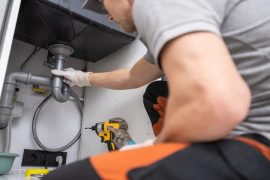
In many older homes, asbestos was commonly used as insulation for pipes due to its heat-resistant properties. This can be found in areas like basements or under sinks where pipes are visible. Recognizing asbestos in plumbing systems is crucial for safety. Signs include a white or grayish material wrapped around pipes, often looking like a thick tape or blanket. If you’re not sure, it’s best to have a professional inspection to confirm the presence of asbestos.
Health Risks of Asbestos in Plumbing
Asbestos fibers, when disturbed, can become airborne and pose serious health risks. Inhaling these fibers can lead to diseases such as asbestosis, lung cancer, or mesothelioma. It’s important to understand that these risks are significant, particularly if the asbestos is damaged or deteriorating.
Safe Repair and Replacement
Handling asbestos requires extreme caution. Here are some steps to consider:
- Professional Inspection: Always start with a professional inspection to identify asbestos-containing materials.
- Hire a Licensed Contractor: If asbestos is present, hire a licensed contractor to handle the removal and replacement.
- Avoid DIY Projects: Never attempt to repair or replace asbestos materials yourself. The risk of exposure is too high.
Taking these precautions ensures that your home remains a safe environment. For more detailed information, consider learning about asbestos plumbing products and their risks.
Asbestos in Attic Insulation
Types of Attic Insulation with Asbestos
Attic insulation is often overlooked when considering potential asbestos sources in homes. Many older homes, particularly those built before the 1980s, may contain insulation materials that include asbestos fibers. Vermiculite insulation, which resembles tiny pebbles or kitty litter, is one of the most common types found in attics. This type of insulation was popular due to its lightweight and fire-resistant properties. However, it is often contaminated with asbestos, especially if it originated from certain mines. Homeowners should be cautious when dealing with any old insulation materials.
Health Risks of Asbestos in Attics
Asbestos fibers are hazardous when inhaled, posing significant health risks such as respiratory diseases and cancer. When attic insulation containing asbestos is disturbed, tiny fibers can become airborne and inhaled, leading to serious health issues. There is no safe level of exposure to asbestos, making it crucial to handle these materials with care. Asbestos exposure poses serious health risks, emphasizing the need for awareness and caution.
Safe Handling and Removal
If you suspect that your attic insulation contains asbestos, it is vital to take appropriate steps to manage the situation safely. Here are some essential steps:
- Do not disturb the insulation: Avoid any actions that may release asbestos fibers into the air, such as moving or cutting the insulation.
- Hire a professional: Contact a licensed asbestos removal service to assess and handle the situation. They have the expertise to safely remove or contain the asbestos without risking exposure.
- Seal off the area: Prevent the spread of asbestos fibers by sealing off the attic area until a professional can address the issue.
By following these precautions, homeowners can significantly reduce the risk of asbestos exposure, ensuring a safer living environment.
Links