As homeowners age, the need for safer and more convenient living environments becomes a priority. One often-overlooked aspect of home safety is proper lighting. Poorly lit spaces can increase the risk of falls, cause inconvenience, and pose challenges for individuals with limited mobility or vision impairments. Motion-activated lighting offers a practical and innovative solution to these challenges. This article explores the benefits, applications, and considerations of motion-activated lighting in aging homes, demonstrating why it has become an essential upgrade for modern living.

Understanding the Needs of Aging Homes
1 Common Challenges in Aging Homes
Aging homeowners often face challenges such as reduced mobility, impaired vision, and forgetfulness. Poor lighting can exacerbate these issues by making it difficult to navigate spaces, increasing the risk of falls and injuries, and creating unnecessary inconveniences.
2 The Role of Lighting in Aging-in-Place Design
Proper lighting is a cornerstone of aging-in-place design. It enhances safety, supports independence, and ensures that elderly individuals can comfortably navigate their living spaces. Motion-activated lighting takes this a step further by providing hands-free illumination tailored to their needs.
What is Motion-Activated Lighting?
1 Definition and Overview
Motion-activated lighting uses sensors to detect movement and automatically illuminate spaces. This eliminates the need to locate and operate switches, making it particularly beneficial for aging individuals.
2 Components of Motion-Activated Lighting
- Sensors: Detect movement through infrared, ultrasonic, or microwave technology.
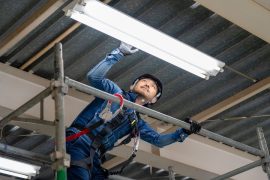
- Light Fixtures: Compatible with various types of lighting, including LEDs and smart lights, these light fixtures range from ceiling-mounted options to discreet wall lights, offering flexibility for every room configuration.
- Connectivity Options: Can be wired, wireless, or integrated into smart home ecosystems.
3 Advantages Over Traditional Lighting Systems
- Hands-Free Operation: Ideal for individuals with limited mobility or dexterity.
- Energy Efficiency: Reduces electricity usage by turning off lights in unoccupied spaces.
- Enhanced Security: Automatically illuminates areas when motion is detected, deterring potential intruders.
Benefits of Motion-Activated Lighting for Aging Homes
1 Enhanced Safety
Motion-activated lighting ensures critical areas such as hallways, bathrooms, and staircases are well-lit, reducing the risk of trips and falls. Outdoor spaces also benefit from automatic illumination, improving visibility and deterring intruders.
2 Increased Convenience
Hands-free lighting eliminates the need for manual operation, making everyday tasks easier for individuals with mobility challenges. Whether moving through dark hallways or entering the home at night, motion-activated lights offer unmatched convenience.
3 Energy Efficiency
By automatically turning off lights when a space is unoccupied, motion-activated lighting reduces energy waste. This not only lowers utility bills but also extends the lifespan of light bulbs.
4 Support for Aging-in-Place
Motion-activated lighting fosters independence by simplifying everyday activities and integrating seamlessly with other smart home devices to create a safe and accessible living environment.
Key Areas to Install Motion-Activated Lighting in Aging Homes
1 Indoor Spaces
- Hallways and Corridors: Provide consistent illumination for safe navigation.
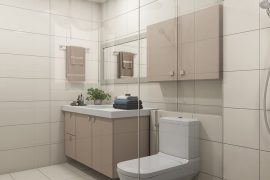
- Bathrooms: Ensure visibility during late-night visits.
- Staircases: Prevent slips and falls by lighting stairs as soon as motion is detected.
- Bedrooms: Soft lighting helps individuals move around without disturbing others.
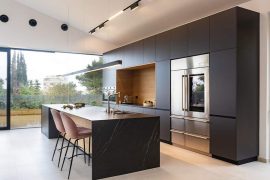
- Kitchens: Enhance safety and convenience during cooking or cleaning.
2 Outdoor Spaces
- Entryways and Porches: Improve security and ensure safe entry at night.
- Driveways and Pathways: Illuminate access routes to and from the home.
- Gardens and Patios: Enhance outdoor aesthetics and deter unwanted visitors.
Types of Motion-Activated Lighting
1 Wired vs. Wireless Systems
- Wired Systems: Reliable but require professional installation.
- Wireless Systems: Easy to install and ideal for retrofitting existing spaces.
2 Smart Motion-Activated Lights
- Include features like remote control, scheduling, and integration with smart home systems.
- Allow users to customize settings via smartphones or voice assistants.
3 Solar-Powered Motion-Activated Lights
- Perfect for outdoor use, these eco-friendly options reduce electricity costs and require minimal maintenance.
4 Adjustable Sensitivity and Timer Features
- Customizable detection ranges and light durations ensure optimal performance without unnecessary activations.
Factors to Consider When Choosing Motion-Activated Lighting
1 Sensitivity and Range
Ensure the sensors are appropriate for the area’s size and usage patterns.
2 Brightness Levels
Choose suitable lumens based on whether the lighting is for ambient use or specific tasks.
3 Compatibility with Existing Fixtures
Verify that the system can integrate with current light fixtures or infrastructure.
4 Durability and Weather Resistance
Outdoor lights should be weatherproof to withstand various conditions.
5 Ease of Installation
Consider whether professional installation is necessary or if DIY options suffice.
Installation and Maintenance Tips
1 DIY Installation
- Gather tools and follow manufacturer instructions.
- Ensure proper placement to avoid false activations.
2 Professional Installation
- Recommended for complex systems or homes with extensive wiring needs.
3 Maintenance Guidelines
- Regularly clean sensors and fixtures.
- Replace batteries or check power supplies for solar models.
- Test systems periodically to ensure functionality.
Cost Considerations
1 Upfront Costs
- Price ranges vary based on features and complexity, with basic models being more affordable.
2 Long-Term Savings
- Energy-efficient operation reduces electricity costs over time.
- Extended bulb lifespans lower replacement costs.
3 Financial Assistance Options
- Explore tax incentives or grants for aging-in-place upgrades.
Real-Life Examples and Testimonials
1 Residential Success Stories
Aging homeowners share how motion-activated lighting has transformed their daily routines, improving safety and convenience.
2 Case Studies
Examples of homes and communities that have successfully implemented motion-activated lighting systems.
Emerging Trends in Motion-Activated Lighting
1 Integration with Smart Home Ecosystems
- Compatibility with IoT devices for seamless operation.
2 AI and Advanced Motion Detection
- Systems capable of distinguishing between humans, pets, and objects.
3 Sustainable and Eco-Friendly Innovations
- Solar-powered models and recyclable materials are gaining popularity.
Conclusion
Motion-activated lighting is a simple yet impactful upgrade for aging homes. By enhancing safety, convenience, and energy efficiency, it supports independence and improves quality of life. Whether for indoor or outdoor use, these lighting systems are an invaluable addition to any aging-in-place strategy. Embrace this innovative technology to create a safer, smarter home for you or your loved ones.