Paint that peels after one summer almost always had a problem under it. The best primer for a job depends on what the wall is made of.
Take a stucco house in South Florida that needs a new color. The painter starts by washing the walls. Then they rub a hand on the old paint. If it leaves white powder, the surface is chalky, and new paint will not hold to it. A bonding primer made for chalk goes on first to lock it down.
New stucco patches are a different problem. Fresh stucco is very alkaline. That can burn through normal paint and leave pale spots. A masonry primer rated for high pH fixes this.
The wood fascia comes next. Bare wood soaks up paint unevenly, and some woods bleed brown stains. A wood primer seals the grain first.
Rusty railings get wire-brushed down to clean metal. Then they get a rust-inhibiting primer, so rust can’t creep under the topcoat.
Inside the house, new drywall has paper and joint compound side by side. They soak up paint at different rates. A drywall primer evens them out so patches don’t show. A water stain on the ceiling needs a stain-blocking primer. Two coats of paint won’t hide it.
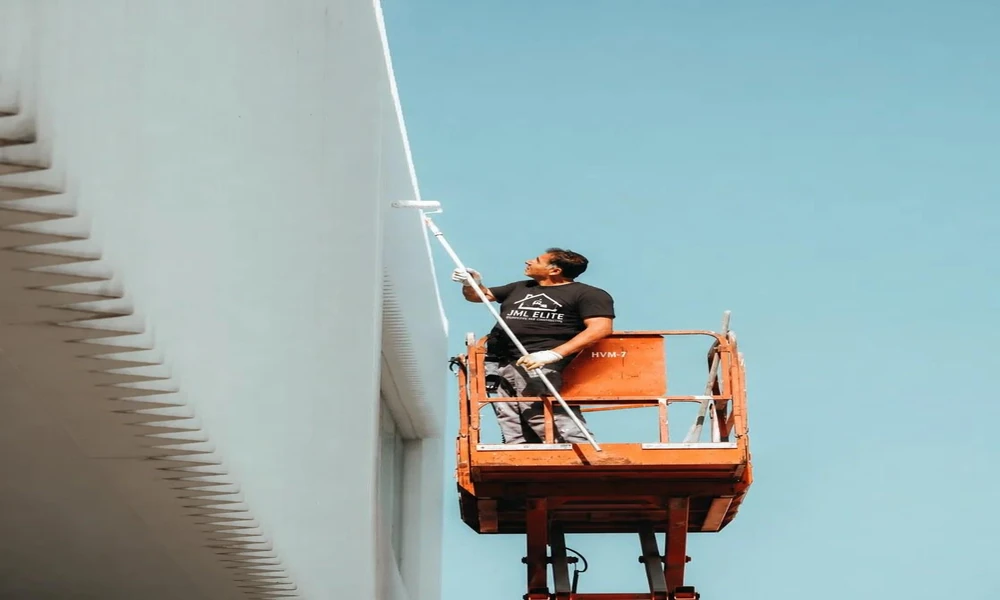
Painting contractors like JML Elite Painting and Construction, which paints homes and businesses across South Florida, check each surface and choose the primer before any color goes on. If you’re comparing quotes, ask which primer goes on your stucco, wood and metal. A clear answer is a good sign.