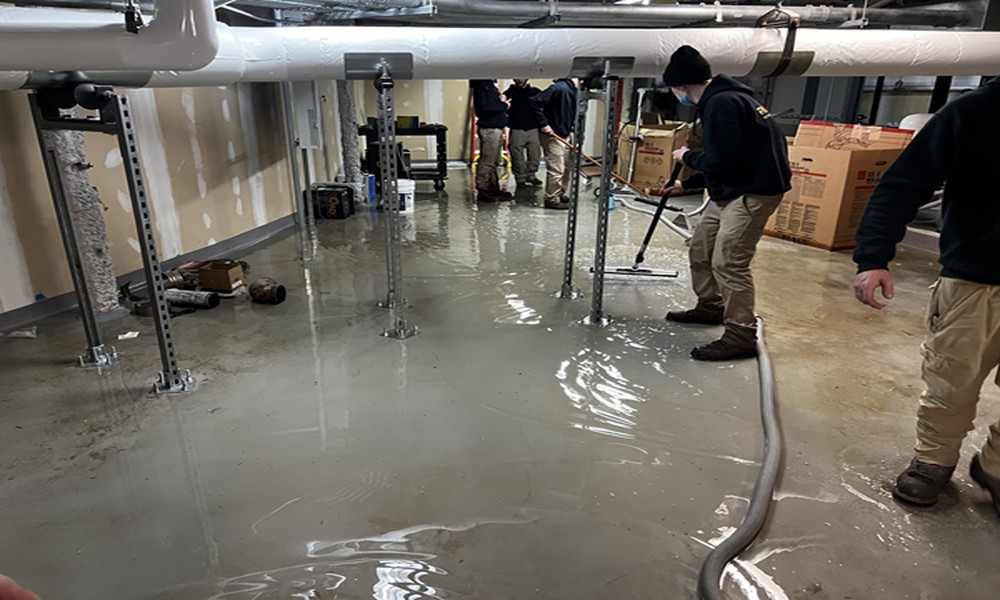
Backyard drainage issues can cause significant problems, from water pooling and soggy lawns to soil erosion and damage to your home’s foundation. Fortunately, there are effective DIY solutions that can address these issues without breaking the bank. In this comprehensive guide, we’ll explore practical and reliable ways to solve backyard drainage problems and keep your outdoor space dry and functional.

The Importance of Backyard Drainage
Proper drainage is essential to maintaining a healthy and attractive backyard. Without it, water can accumulate, causing structural damage, plant death, and a muddy mess. Effective drainage solutions:
- Prevent water pooling and soil erosion.
- Protect your landscaping and hardscaping.
- Safeguard your home’s foundation from moisture-related damage.
Understanding Backyard Drainage Problems
Causes of Poor Drainage
- Compacted Soil: Prevents water from soaking in, leading to puddles.
- Improper Grading: A yard that slopes toward your home or low spots can trap water.
- Blocked or Insufficient Drainage Systems: Gutters, downspouts, or pipes that are clogged or poorly designed.
Signs of Drainage Issues
- Persistent puddles after rain.
- Soggy lawns or muddy areas.
- Water stains or mold near the base of your home.
Preparing for DIY Drainage Projects
Assessing the Problem
- Identify areas where water accumulates.
- Observe water flow patterns during rainfall.
- Conduct a soil test to determine its permeability.
Gathering Tools and Materials
- Tools: Shovels, rakes, and a measuring tape.
- Materials: Drainage pipes, gravel, sand, landscape fabric, and perforated pipe.
- Optional: Leveling tools for yard grading.
Planning the Solution
- Sketch your yard and highlight problem areas.
- Choose the most suitable drainage solution based on the severity of the issue.
Simple DIY Backyard Drainage Solutions
- French Drains
- What Is a French Drain? A trench filled with gravel and a perforated pipe to redirect water.
- How to Install:
- Dig a trench in the problem area, sloping it away from your home.
- Line the trench with landscape fabric to prevent soil from clogging the pipe.
- Place a perforated pipe in the trench and cover it with gravel.
- Cover the trench with soil or decorative stones.
- Best For: Redirecting water away from foundations and soggy areas.
- Dry Wells
- What Is a Dry Well? An underground basin that collects and disperses excess water.
- How to Build:
- Dig a deep hole where water tends to pool.
- Line the hole with landscape fabric.
- Fill the hole with gravel or a prefabricated dry well container.
- Cover the area with soil and grass or decorative materials.
- Best For: Heavy rainfall and persistent puddles.
- Rain Gardens
- What Is a Rain Garden? A landscaped area designed to absorb and filter rainwater naturally.
- How to Create:
- Choose a low spot in your yard.
- Improve the soil with sand and compost for better drainage.
- Plant water-tolerant, native plants and add mulch.
- Edge the garden with stones or decorative elements.
- Best For: Managing runoff and adding beauty to your yard.
- Swales
- What Is a Swale? A shallow channel that redirects water to a drainage area.
- How to Construct:
- Dig a shallow trench along the water flow path.
- Line it with grass, gravel, or rocks.
- Direct the swale to a dry well or rain garden.
- Best For: Sloped yards with visible water flow paths.
- Downspout Extensions
- Purpose: Direct water away from your home’s foundation.
- How to Install:
- Attach a flexible or rigid extension to the downspout.
- Ensure it leads to a safe drainage area.
- Best For: Quick fixes for water pooling near the home.
Advanced DIY Solutions for Severe Drainage Issues
- Retaining Walls with Drainage Systems
- What Are They? Walls designed to hold soil while allowing water to pass through.
- How to Build:
- Construct a retaining wall with weep holes or drainage pipes.
- Add gravel behind the wall for water filtration.
- Ensure the wall slopes slightly to direct water away.
- Best For: Sloped yards prone to erosion.
- Yard Regrading
- What Is It? Reshaping the yard to improve water flow.
- How to Regrade:
- Identify high and low spots in your yard.
- Add or remove soil to create a gradual slope away from your home.
- Stabilize the soil with grass seed or sod.
- Best For: Widespread drainage issues affecting the entire yard.
Maintenance and Tips for Long-Term Effectiveness
- Inspect Regularly: Check for clogs in drains or pipes and monitor problem areas after heavy rain.
- Preventative Measures: Clean gutters and downspouts regularly. Use permeable materials for patios or driveways.
- Seasonal Adjustments: Prepare drainage systems for winter snowmelt or heavy spring rains.
Benefits of DIY Backyard Drainage Solutions
- Cost-Effective: Saves money compared to hiring professionals.
- Customizable: Tailor solutions to your specific yard.
- Eco-Friendly: Prevents water waste and supports natural water absorption.
- Aesthetic Improvement: Features like rain gardens and swales enhance your yard’s beauty.
Conclusion
Solving backyard drainage issues doesn’t have to be overwhelming or expensive. Whether you choose a simple solution like a downspout extension or a more involved project like a French drain or rain garden, these DIY methods can effectively manage water and protect your home. Start small, assess your needs, and enjoy a well-drained and beautiful backyard.