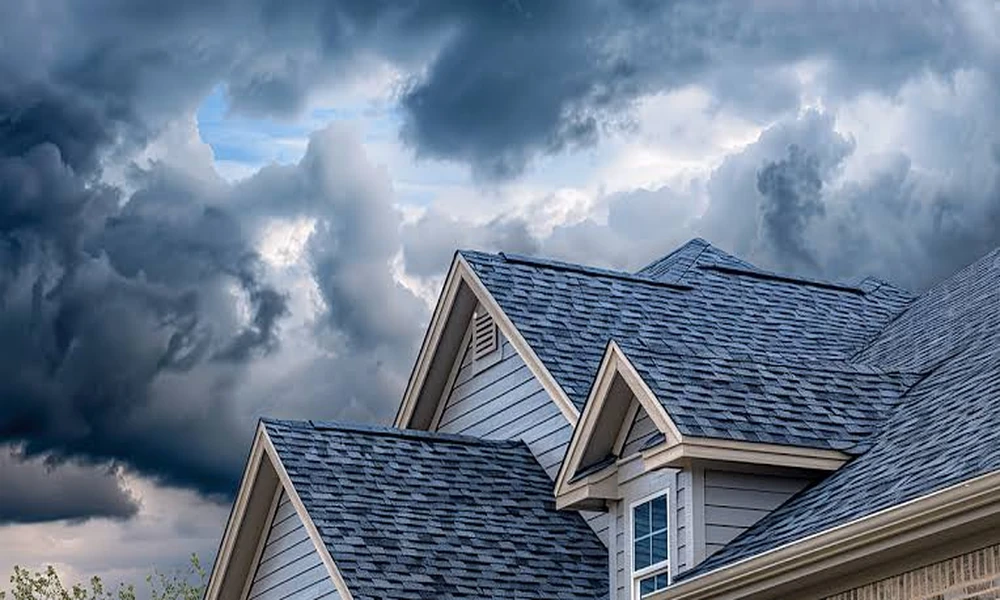
Few places in the country put a roof through as much as central Oklahoma. In a single year, a house in the metro can face golf ball hail in April, straight line winds in June, triple digit heat in August and an ice storm in January. Each of those events attacks a roof in a different way, and most standard roofs were never designed to handle all of them.
That is why roofing conversations in this part of the state have shifted. Homeowners used to ask mainly about color and price. Now they ask about impact ratings, wind uplift, insurance discounts and whether a new roof will still be intact after the next big storm cell rolls through.
Those questions usually land on the desk of someone like an Oklahoma City roofing contractor, and the answers have become far more technical than they were even ten years ago. Teams such as the one at hwrandc.com spend a good part of every estimate explaining how different systems behave under hail and wind, because the choice made today decides how the house fares for the next two decades.
How Oklahoma Weather Actually Damages a Roof
Hail is the obvious threat. Large stones crack shingle mats, knock loose the protective granules and bruise the layers underneath. Damage is not always visible from the ground, and bruised shingles can start leaking months after the storm that caused it.
Wind is the quieter problem. It rarely tears off a whole roof in one go. Instead, it lifts edges and corners first, breaks the seal strips on shingles, and opens a path for water. Once one course lets go, the rest often follow quickly.
Heat finishes the job. Long summer stretches bake asphalt, dry out sealants and make shingles brittle. A brittle roof handles the next hailstorm worse than a flexible one, so the damage stacks up year after year.
Put together, this means a roof in Oklahoma City is not judged by how it looks on install day. It is judged by how it resists all three forces at once.
What a FORTIFIED Roof Changes
Over the past few years, one standard has moved to the center of the conversation. FORTIFIED Roof, developed by the Insurance Institute for Business and Home Safety, is a construction method rather than a single product. It focuses on the parts of a roof that fail first in severe weather.
A FORTIFIED installation typically adds several upgrades to a conventional reroof:
- A sealed roof deck, so that if shingles blow off, water still cannot pour through the seams between decking boards.
- Ring shank nails and tighter nailing patterns, which grip the decking far better than smooth nails during high winds.
- Strengthened edges and corners, where wind uplift is strongest.
- Impact rated roof covering when the hail supplement is included, which matters a great deal in central Oklahoma.
Each step is inspected by an independent evaluator, and the home receives a certificate once the work passes. That paperwork is what insurers look for when they offer premium discounts.
The State Grant That Made It Mainstream
The biggest reason FORTIFIED roofs have spread so quickly around the metro is money. The Oklahoma Insurance Department runs the Strengthen Oklahoma Homes program, which offers eligible homeowners grants of up to $10,000 to upgrade to the FORTIFIED Roof High Wind and Hail designation. Details on eligibility, required documents and application windows are posted on the Oklahoma Insurance Department OKReady page.
A few practical points are worth knowing. The program covers owner occupied primary residences, applications open in rounds and tend to fill quickly, and only certified FORTIFIED contractors and evaluators can take part. Homeowners who want to use the grant need to check eligibility before signing a contract, not after the old roof is already torn off. Anyone promising guaranteed grant money within days should be treated with caution, since approvals follow a set process that takes time.
Even without a grant, many homeowners now choose the FORTIFIED method on their own. The added cost is often modest compared to a full replacement, and insurance savings can recover part of it over the years.
Comparing Materials for the Metro Climate
Impact rated asphalt shingles remain the most popular choice. Look for a Class 4 rating, which means the product survived steel ball impact testing without cracking. These shingles use rubberized asphalt that flexes on impact instead of fracturing, and they cost noticeably less than metal.
Standing seam metal has gained ground in newer neighborhoods and on rural properties around the city. It sheds wind well, lasts a long time and reflects summer heat. The trade off is cosmetic. Large hail can dent softer metal panels, and while dents may not cause leaks, some insurance policies treat cosmetic damage differently, so it is worth reading the fine print.
Stone coated steel sits between the two. It mimics the look of shingles or tile, resists impact well and stays lighter than concrete tile. Upfront cost is higher, but its lifespan often runs well beyond typical asphalt.
Whatever the material, installation details carry as much weight as the product label. A Class 4 shingle nailed too high, or a metal roof with poorly sealed fasteners, will underperform the specs printed on the bundle.
Timing and the Storm Cycle
Spring is the busiest season, simply because that is when the worst hail arrives. Waiting lists grow, materials sometimes run short and out of state crews appear in the metro looking for work. Homeowners who plan a replacement in late summer or fall often find shorter schedules and more time for a careful inspection.
After any storm, the safest first step is documenting damage with photos, covering active leaks if possible and having the roof checked by a local, registered company before filing a claim. The Oklahoma Insurance Department regularly reminds residents to collect more than one bid, verify references and avoid signing paperwork with door to door roofers in the days right after a storm.
A roof built for Oklahoma is not about chasing the most expensive product. It comes down to understanding how hail, wind and heat work against a house, choosing a system that answers all three, and making sure the people installing it follow the details that keep it in one piece. Homes that get those pieces right tend to ride out storm season with a lot less worry, and often with smaller insurance bills too.