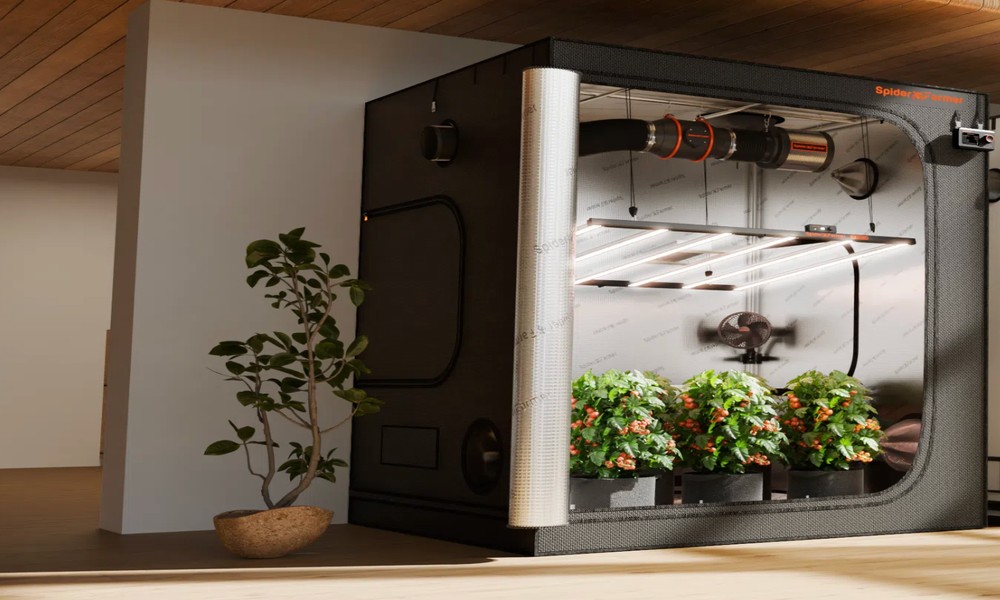
Indoor air quality (IAQ) plays a vital role in creating a healthy, comfortable living environment. Poor ventilation is often the hidden culprit behind many health and comfort issues, including respiratory problems, allergies, and lingering odors. In this comprehensive guide, we explore how proper ventilation can significantly improve indoor air quality, reduce pollutants, and enhance overall well-being.

What is Ventilation?
Ventilation refers to the process of exchanging or replacing indoor air with outdoor air to maintain a healthy and fresh indoor environment. Proper ventilation ensures that stale air, pollutants, and excess moisture are removed, while fresh air is brought in to maintain comfort and safety.
Importance of Indoor Air Quality (IAQ)
- Health Impact: Poor air quality can lead to respiratory issues, allergies, and fatigue.
- Comfort: Proper airflow prevents stuffiness and unpleasant odors.
- Productivity: Fresh air enhances focus, energy levels, and mental well-being.
Understanding Indoor Air Quality (IAQ)
What is IAQ?
Indoor air quality refers to the cleanliness, safety, and healthiness of the air within buildings. Factors like pollutant levels, humidity, and ventilation determine IAQ.
Factors Affecting IAQ
- Indoor Pollutants: Dust, pet dander, mold, and volatile organic compounds (VOCs) from household products.
- Outdoor Pollutants: Pollen, smog, and industrial emissions entering through windows and doors.
- Humidity Levels: High humidity fosters mold, while low humidity causes dryness and irritation.
Common IAQ Issues
- Stale or stuffy air.
- High levels of allergens and pollutants.
- Moisture problems leading to mold and mildew.
- Adverse health effects such as headaches, respiratory problems, and fatigue.
The Role of Ventilation in Improving IAQ
What is Proper Ventilation?
Proper ventilation ensures adequate air exchange, balancing fresh outdoor air with the removal of indoor air pollutants.
Key Benefits of Ventilation
- Pollutant Removal: Reduces the concentration of VOCs, carbon dioxide, and other harmful substances.
- Humidity Control: Prevents excess moisture that can lead to mold and mildew.
- Fresh Air Circulation: Enhances oxygen levels and eliminates stale air.
- Temperature Regulation: Maintains a consistent and comfortable indoor climate.
Types of Ventilation Systems
Natural Ventilation
- Relies on windows, doors, and vents to allow air exchange.
- Pros: Energy-efficient and cost-effective.
- Cons: Weather-dependent and less effective in high-pollution areas.
Mechanical Ventilation
- Uses fans and duct systems to control airflow.
- Exhaust Ventilation: Removes stale air from specific areas like kitchens and bathrooms.
- Supply Ventilation: Brings in fresh air to improve indoor air quality.
- Balanced Ventilation: Combines exhaust and supply systems for optimal air exchange.
- Pros: Works in all weather conditions.
- Cons: Higher installation and energy costs.
Hybrid Ventilation Systems
- Combines natural and mechanical methods for flexibility and efficiency.
Key Components of a Ventilation System
- Ductwork: Ensures effective airflow; clean ducts prevent blockages.
- Fans and Exhausts: Remove excess moisture and odors, especially in high-use areas like kitchens and bathrooms.
- Air Filters: Capture particles such as dust, pollen, and allergens. Types include HEPA, carbon, and electrostatic filters.
- Air Exchange Units: Systems like Heat Recovery Ventilators (HRVs) and Energy Recovery Ventilators (ERVs) maintain energy efficiency while ventilating.
How Ventilation Controls Indoor Pollutants
Volatile Organic Compounds (VOCs)
- Commonly found in paints, cleaning products, and furniture.
- Proper ventilation significantly reduces VOC concentrations.
Carbon Dioxide (CO2) and Oxygen Levels
- Ventilation replenishes oxygen and prevents CO2 buildup, improving cognitive function and overall comfort.
Particulate Matter and Allergens
- Filters in ventilation systems reduce dust, pollen, and pet dander.
Mold and Mildew Prevention
- Controlled humidity through ventilation prevents fungal growth and associated health risks.
The Link Between Ventilation and Health
Immediate Health Benefits
- Reduces respiratory irritation and allergy symptoms.
- Provides relief from odors and stale air.
Long-Term Health Benefits
- Lowers risk of chronic respiratory illnesses.
- Enhances sleep quality through consistent air exchange.
Mental Well-Being
- Fresh air improves mood, reduces stress, and enhances productivity.
Steps to Improve Ventilation in Your Home
Enhancing Natural Ventilation
- Open windows and doors regularly, especially during cooler parts of the day.
- Use cross-ventilation by opening windows on opposite sides of a room.
Installing and Maintaining Mechanical Systems
- Select a ventilation system suited to your home’s size and layout.
- Clean filters and ducts regularly for optimal performance.
Sealing and Insulating
- Ensure airtight sealing to prevent air leaks while maintaining controlled ventilation.
Using Plants as Natural Air Purifiers
- Incorporate air-purifying plants like peace lilies, snake plants, or pothos.
Adding Smart Ventilation Technology
- Use smart sensors and automated systems to monitor and adjust air quality in real-time.
Common Ventilation Mistakes to Avoid
- Over-Reliance on Natural Ventilation: May introduce outdoor pollutants if not combined with filtration.
- Neglecting Maintenance: Clogged filters and ducts reduce efficiency and increase pollutant levels.
- Inadequate Ventilation Planning: Overlooking room-specific needs leads to uneven airflow.
- Ignoring Humidity Levels: Ensure proper balance with dehumidifiers or humidifiers when necessary.
The Role of Ventilation in Sustainable Living
- Energy Efficiency: Use energy-saving ventilation systems to reduce utility costs.
- Reducing Carbon Footprint: HRVs and ERVs minimize energy loss during air exchange.
- Healthier Homes: Supports eco-friendly practices and ensures a safe, breathable environment.
Conclusion
Proper ventilation is essential for maintaining good indoor air quality and overall well-being. By understanding the types of ventilation systems and their benefits, you can create a healthier, more comfortable living environment. Start by assessing your home’s current ventilation and make improvements to enjoy the long-term benefits of fresh, clean air.