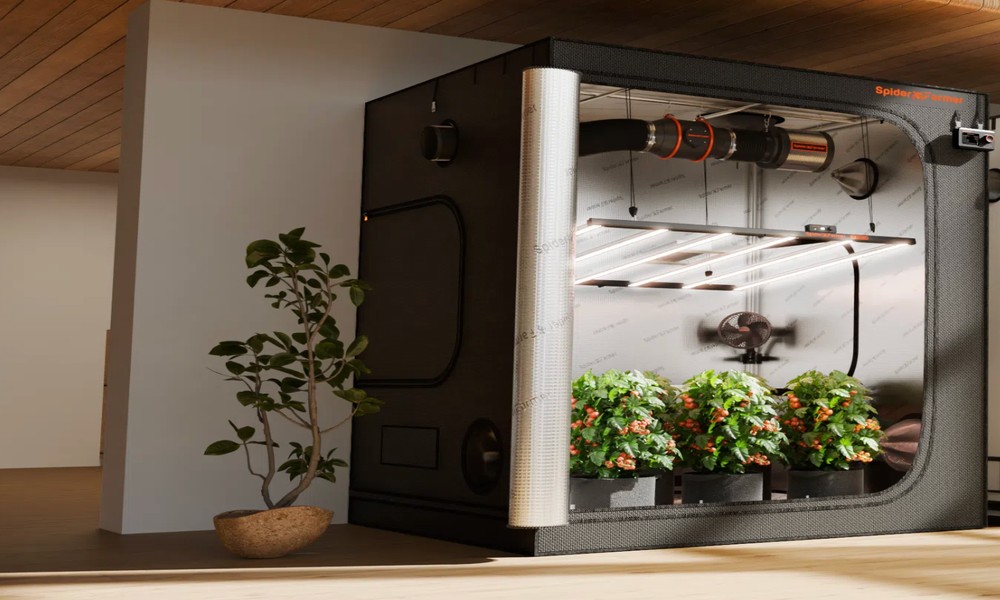
A well-designed ventilation system is essential for modern homes, ensuring optimal indoor air quality and comfort. With advancements in technology and a growing focus on energy efficiency, modern ventilation systems are smarter, more adaptable, and environmentally friendly. This guide explores the best ventilation systems available today, detailing their benefits, features, and how to choose the right one for your home.

- Understanding Ventilation Needs in Modern Homes
Why Ventilation is Crucial Ventilation is vital for maintaining a healthy and comfortable indoor environment. Key benefits include:
- Air Quality: Removing indoor pollutants like dust, allergens, and volatile organic compounds (VOCs).
- Moisture Control: Preventing excess humidity, which can lead to mold and mildew.
- Comfort: Regulating indoor temperature and reducing odors.
Factors Affecting Ventilation Requirements
- Home Size and Layout: Larger homes require more robust systems.
- Climate: Humid, dry, or variable climates influence system choice.
- Lifestyle Needs: Homes with pets, allergies, or specific health concerns demand advanced air filtration.
Common Issues Addressed by Ventilation Systems
- Reducing allergens and pollutants.
- Preventing carbon dioxide buildup.
- Managing moisture levels to protect structural integrity.
- Types of Ventilation Systems for Modern Homes
Natural Ventilation
- How It Works: Uses windows, vents, and architectural design to promote airflow.
- Advantages: Energy-efficient and cost-effective.
- Best For: Mild climates or energy-efficient homes.
Mechanical Ventilation Systems
- Exhaust-Only Systems: Remove stale air using exhaust fans, typically in bathrooms and kitchens.
- Supply-Only Systems: Introduce fresh air via ducts and fans, maintaining positive indoor pressure.
- Balanced Systems: Combine exhaust and supply fans for consistent airflow.
Energy Recovery Ventilators (ERVs) and Heat Recovery Ventilators (HRVs)
- ERVs: Transfer heat and moisture between incoming and outgoing air, ideal for humid climates.
- HRVs: Transfer heat without moisture, suitable for cooler climates.
- Key Benefits: Energy efficiency, reduced heating and cooling costs, and improved air quality.
Hybrid Ventilation Systems
- Combine natural and mechanical ventilation for flexibility and efficiency.
- Adapt to seasonal and environmental changes.
- Key Features to Look for in Modern Ventilation Systems
Energy Efficiency
- Look for systems with high energy ratings and features like heat recovery.
- Reduce operational costs while minimizing environmental impact.
Smart Technology Integration
- Systems with Wi-Fi connectivity allow for remote control and monitoring.
- Smart sensors adjust airflow based on occupancy and air quality.
Noise Levels
- Prioritize systems with quiet operation, especially for bedrooms and living spaces.
- Look for noise ratings in decibels (dB) to compare systems.
Air Filtration Capabilities
- High-efficiency particulate air (HEPA) filters effectively remove allergens and pollutants.
- Some systems offer advanced filters targeting specific irritants like pet dander.
Scalability and Adaptability
- Systems that cater to varying home sizes and layouts.
- Zoning capabilities for targeted ventilation in specific rooms or areas.
- Comparing Ventilation Systems
Natural vs. Mechanical Ventilation
- Natural Ventilation: Low-cost and energy-efficient but limited by weather conditions.
- Mechanical Ventilation: Reliable and consistent, with higher installation and operational costs.
ERVs vs. HRVs
- ERVs: Best for humid climates, balancing moisture levels.
- HRVs: Ideal for cold climates, focusing on heat recovery.
Centralized vs. Decentralized Systems
- Centralized: Suitable for large homes with uniform needs.
- Decentralized: Perfect for targeted ventilation in specific areas like basements or attics.
Short-Term and Long-Term Costs
- Consider upfront installation expenses versus ongoing energy savings.
- Higher initial costs often lead to significant long-term benefits.
- Benefits of Advanced Ventilation Systems
Health Benefits
- Reduces allergens, pollutants, and respiratory irritants.
- Controls humidity, preventing mold and mildew growth.
Comfort and Convenience
- Maintains consistent indoor temperatures and humidity levels.
- Reduces indoor odors, improving overall comfort.
Environmental Impact
- Energy-efficient systems lower carbon footprints.
- Supports sustainable living through reduced energy use.
- Choosing the Right Ventilation System for Your Home
Assessing Home Needs
- Evaluate the size, layout, and insulation of your home.
- Identify specific air quality concerns such as allergens or humidity.
Climate Considerations
- Humid climates benefit from ERVs to balance moisture.
- Cooler regions are better suited for HRVs to retain heat.
Consulting Professionals
- Professional assessments ensure proper sizing and installation.
- Compliance with local building codes and regulations.
Budget Planning
- Balance initial investment with long-term savings.
- Consider potential rebates or incentives for energy-efficient systems.
- Installation and Maintenance Tips
Professional Installation
- Certified HVAC professionals ensure proper ductwork and system optimization.
- Avoid DIY installation for complex systems like HRVs or ERVs.
DIY Maintenance
- Clean or replace filters regularly to maintain efficiency.
- Inspect fans, ducts, and vents for blockages or wear.
Troubleshooting Common Issues
- Address noise, leaks, or airflow inconsistencies promptly.
- Contact professionals for major repairs or upgrades.
- Emerging Trends in Ventilation Systems
Smart Ventilation Systems
- AI-driven systems adapt to user preferences and air quality changes.
Eco-Friendly Materials
- Increasing use of sustainable, recyclable materials in system components.
Integrated HVAC Systems
- Combining heating, cooling, and ventilation for seamless operation.
- Case Studies and Examples
Real-Life Applications
- Examples of homes successfully using advanced ventilation systems.
Lessons Learned
- Insights into installation challenges and benefits from homeowners’ experiences.
Conclusion
Modern ventilation systems are essential for maintaining healthy, comfortable, and energy-efficient homes. By understanding your specific needs, evaluating available options, and investing in the right system, you can enjoy the benefits of improved air quality and sustainable living. Whether you choose a natural, mechanical, or hybrid system, prioritizing ventilation is a step toward a healthier home environment.