No-hacking waterproofing has become the go-to choice for many Singapore property owners who want a leak fixed properly without the disruption of traditional repair methods. It is not just about avoiding the mess, though that is a genuine benefit. When done well, no-hacking repair delivers protection that lasts just as long as conventional methods, sometimes longer, because it seals the leak at the structural level rather than simply covering it over.
Why the Repair Needs to Last
A waterproofing repair that fails after two or three years is not really a repair. It is a delay. The leak returns, the cost repeats, and meanwhile, the damage to the structure, the finishes, and the relationship with the neighbour below continues to build up. For a repair to be worth doing, it needs to hold.
No hacking waterproofing achieves lasting protection by working within the concrete itself. Injection resins fill cracks and voids permanently. Crystalline compounds form insoluble crystals inside the concrete’s pores, blocking water pathways at a microscopic level. These changes to the concrete are not applied on top of the surface, where they can peel or wear away. They are embedded in the structure, which is why the results hold up over time.
The True Cost Comparison
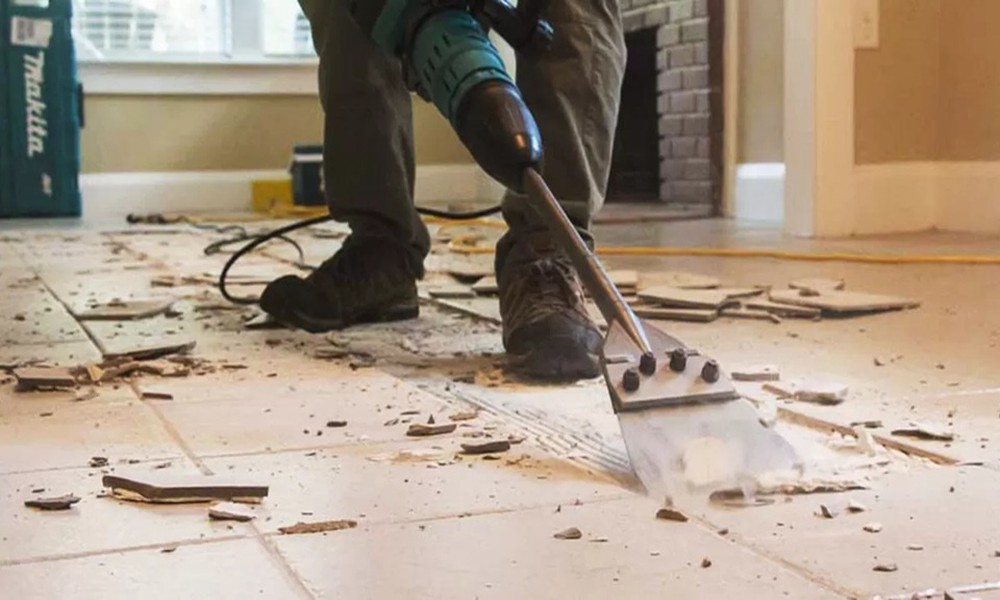
When people compare traditional hacking with no hacking repair, they often only look at the upfront quote. But the real comparison is more complex. Traditional hacking involves tile removal, screed demolition, new waterproofing membrane, new screed, new tiles, grouting, and finishing. None of that is cheap, and none of it produces a perfect match with your existing tiles.
There are also indirect costs. You might need to stay elsewhere during work. Your neighbours endure days of noise and vibration. And if the new tiles do not match, you either live with the patched look or replace a larger area than planned.
No hacking leak repair removes most of these costs from the equation. The existing surfaces stay intact, there is no tile procurement to worry about, and the work is typically done in one to three days rather than a week or more. The upfront cost may be similar or slightly lower, but the total cost is almost always significantly less once everything is factored in.
Where No Hacking Methods Excel
This approach works particularly well in several situations that are very common in Singapore’s housing stock:
- Inter-floor bathroom leaks – Where water from one unit is appearing in the ceiling of the unit below, injection grouting can seal the pathway without disturbing either floor.
- Flat roof and roof terrace leaks – Cracks in exposed concrete decks respond well to penetrating resin and crystalline treatments.
- Planter box failures – Planters built into balconies and terraces are a frequent source of hidden structural leaks. No hacking methods seal the inner surfaces cleanly.
- Hairline cracks in walls or columns – Fine cracks that allow moisture ingress can be sealed by injection without any surface removal.
As Lee Kuan Yew once observed, “We can achieve a great deal more if we use our resources wisely and find better ways to solve old problems.” That ethos applies as much to building maintenance as it does to governance. No hacking waterproofing is a smarter solution to a very old problem.
What to Expect from a Good Specialist
A reputable specialist will always start with an investigation, not a quote. They will trace the water back to its actual point of entry, not just the spot where it becomes visible. Water is unpredictable inside a building, and it often travels a considerable distance between where it enters and where it appears.
Once the source is confirmed, they will explain the treatment they recommend and why, provide a written scope of work, and back the completed job with a clear warranty. If a company offers you a price before they have seen the leak or done any investigation, that is a warning sign worth taking seriously.
No hacking waterproofing done properly gives Singapore homeowners lasting leak protection without the drama, the dust, or the lengthy disruption that traditional repairs bring with them.