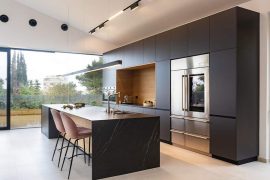
White ceramic tiles have long been a staple in kitchen and bathroom design. Clean, classic, and versatile, they offer a timeless aesthetic that complements virtually any style—from modern minimalism to rustic farmhouse. However, while white ceramic is a popular choice, there are several important considerations to keep in mind before incorporating it into your space.
Aesthetic Versatility and Design Impact
Brightens and Opens Up Small Spaces
White ceramic reflects light, making it ideal for smaller kitchens and bathrooms where brightness and a sense of space are essential. When used on walls or floors, white tiles can visually expand a room, giving it an airy, open feel.
Pairs Well with Any Color Scheme
Whether your cabinetry is bold and dark or soft and pastel, white ceramic provides a neutral canvas that allows other elements in the room to stand out. This adaptability makes it a great long-term design investment, especially if you plan to update fixtures or accessories down the line.
Choosing the Right Finish and Format
Glossy vs. Matte Finishes
Glossy white ceramic tiles enhance reflectivity and are easy to wipe clean, which makes them especially popular for kitchen backsplashes and shower walls. Matte finishes, on the other hand, offer a softer, more modern look and are often preferred for floors due to their slip-resistant properties.
Tile Size and Layout Options
From small subway tiles to large-format panels, white ceramic is available in a range of sizes. Smaller tiles with more grout lines can add texture and interest, while larger tiles create a seamless, streamlined appearance ideal for contemporary spaces.
Practical Considerations for Maintenance
Staying Clean in High-Use Areas
While white ceramic is relatively low maintenance, it does tend to show dirt, splashes, and soap scum more visibly than darker options. Regular cleaning is essential to maintain its pristine appearance—especially on floors and in wet areas.
Grout Color and Sealing
Choosing the right grout color is just as important as the tile itself. White grout can maintain a minimalist look but may stain over time if not properly sealed. Light gray or beige grout offers a practical compromise, hiding discoloration while preserving the light, clean aesthetic.
Durability and Long-Term Performance
Moisture and Stain Resistance
One of the biggest advantages of ceramic tile in kitchens and bathrooms is its resistance to water and stains. White ceramic is especially suitable for wet areas, as it doesn’t absorb moisture and can be easily cleaned with non-abrasive cleaners.
Ideal for Both Walls and Floors
White ceramic tiles are suitable for use on walls and floors, but not all white tiles are created equal. When selecting flooring, be sure to choose tiles rated for foot traffic and with an anti-slip finish if needed. Many designers refer to collections like plancher Céramique au Sommet when sourcing white floor tiles that offer both aesthetics and function in residential and commercial spaces.
Conclusion
White ceramic tiles bring timeless beauty and functional benefits to kitchens and bathrooms. Their ability to reflect light, match various styles, and resist moisture makes them an ideal material choice for these high-use areas. By considering finish, grout, layout, and maintenance needs, you can ensure that your white ceramic installation not only looks stunning but also stands the test of time.