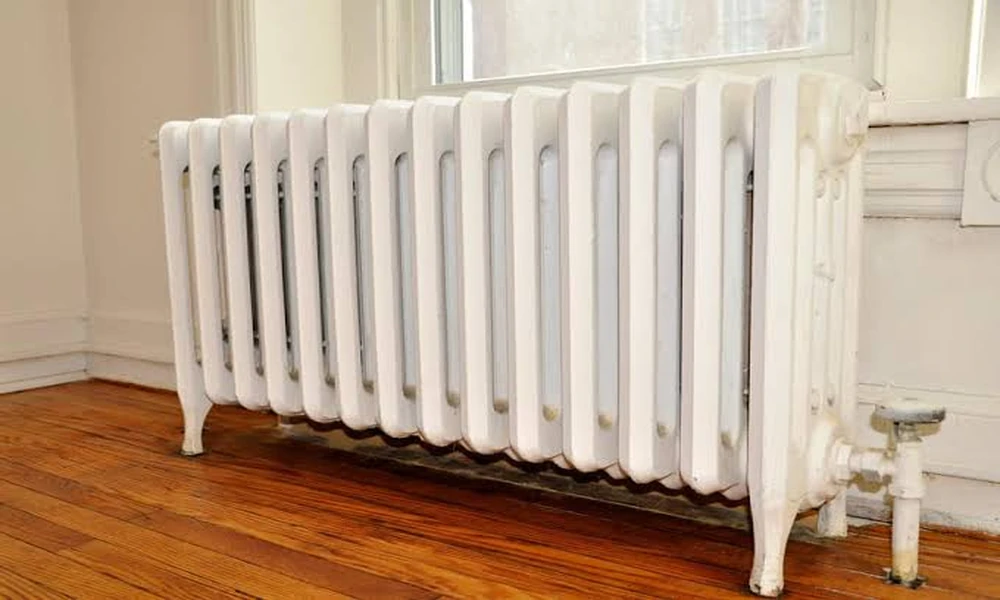
The first cold snap of November has a sound in older Carroll County houses. Down in the basement a burner fires, the pipes start ticking as they warm, and a few minutes later the cast iron radiator under the parlor window begins giving off the slow, even warmth that forced air never quite matches. Many homes around Westminster, from brick houses near Main Street to farmhouses out toward Manchester and Taneytown, still run on hot water boilers for exactly that reason. These systems are durable and comfortable, and they are surprisingly easy to live with once you know what is happening inside the pipes.
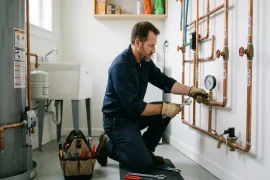
Getting to know that system is the same conversation a homeowner has when sitting down with AJB Mechanical Heating and Cooling, a Westminster contractor that installs and repairs boilers, furnaces, heat pumps and air conditioners for houses and commercial buildings alike. The team starts with a full consultation and a thorough exam before any talk of replacement, puts permits, timeline and open decisions into a written estimate, and includes a warranty with every service.
The Loop Behind Every Radiator
A hot water heating system is really one continuous circle. The boiler heats water, usually somewhere between 140 and 180 degrees. A circulator pump pushes that water through supply piping to each radiator or baseboard. The radiators shed heat into the room, and the cooler water travels back to the boiler to be warmed again.
Several smaller parts keep that circle healthy. The expansion tank absorbs the extra volume water takes on as it heats, which keeps pressure steady. A pressure relief valve on the boiler opens if pressure climbs too high. Zone valves or separate circulators let different floors run on their own thermostats. In many older homes there is also a low water cutoff, a safety device that shuts the burner down if water in the boiler drops below a safe level.
When all of these pieces cooperate, the system can run for decades. Cast iron boilers lasting thirty years or longer are common, and the radiators themselves can outlive several boilers.
Clanks, Gurgles and Cold Corners
Hot water systems are honest about their problems. They tend to make noise or leave a cold spot well before anything fails outright.
Gurgling or trickling sounds usually mean air is trapped in the lines. Air rises to the highest points, which is why the upstairs bedroom radiator is so often the one that never quite warms up.
A radiator that is hot at the bottom and cool at the top is the classic sign of an air pocket. Bleeding it typically fixes the problem in a minute or two.
Banging or knocking can come from water hammer, a failing circulator, or a boiler short cycling because it is oversized for the house.
The pressure gauge creeping up near 30 psi often points to a waterlogged expansion tank. Most residential systems sit around 12 to 15 psi when cold, so a steady climb deserves attention.
Water on the floor near the boiler may come from the relief valve discharging, which is a symptom of a pressure issue rather than a problem with the valve itself.
Bleeding radiators is one of the few jobs homeowners can comfortably handle on their own. The routine is simple.
- Turn the thermostat down and let the system cool so the water is not scalding.
- Start with the radiator on the lowest floor that has a bleed valve and work your way upward.
- Hold a rag and a small cup under the valve, then open it slowly with a radiator key or flat screwdriver.
- Close the valve as soon as a steady stream of water replaces the hissing air.
- Check the boiler pressure gauge afterward, since releasing air can drop pressure below where it should sit.
If the pressure falls too far, or you find yourself bleeding the same radiators every week, something is letting air into the system. That calls for a technician rather than more bleeding.
Fuel Choices Outside Town Lines
Fuel shapes the ownership experience more than most people expect. Homes inside Westminster may have natural gas at the street, but many properties across rural Carroll County heat with oil or propane delivered by truck. Each fuel brings its own maintenance rhythm.
Oil burns dirtier than gas, so oil boilers build up soot on the heat exchanger and need yearly attention. Natural Resources Canada’s guidance on operating home heating systems recommends annual cleaning and tuning for oil fired boilers, while gas and propane units can generally go a little longer between service visits. In practice, a visit just before the heating season catches most problems while there is still time to fix them calmly.
A proper tune up covers far more than a glance at the flame. The technician changes the oil filter and nozzle on oil units, cleans the combustion chamber, tests efficiency and draft, checks the relief valve and expansion tank, inspects the flue and chimney connection, and confirms the low water cutoff actually cuts the burner off. Any home with a fuel burning boiler also needs working carbon monoxide alarms near the sleeping areas.
When the Old Cast Iron Finally Retires
Eventually the boiler itself wears out. Sections crack, the burner gets harder to keep in adjustment, or repair bills start arriving every winter. The replacement decision is where older homes get interesting.
The temptation is to match the size printed on the old boiler. That is usually a mistake. Many older houses have gained insulation, storm windows or new siding since their boiler went in, and the original equipment was often generously oversized from the start. A heat loss calculation based on the house as it stands today is the only reliable way to size the replacement.
Condensing boilers are the efficient option, but they only reach their high ratings when water returns to them cool enough to condense the moisture in the exhaust. Here old cast iron radiators turn out to be an advantage. Their large surface area lets them heat a room with cooler water than skinny baseboard can manage, which keeps a condensing boiler working in its sweet spot. An outdoor reset control helps further by lowering water temperature on milder days and raising it only when the weather truly turns cold.
Venting changes too. Condensing boilers typically vent through the wall with plastic pipe, which can leave an old masonry chimney serving only a water heater. That orphaned water heater may need a chimney liner to draft safely. Some homeowners solve this by switching to an indirect water heater fed by the new boiler, which takes the water heater off the chimney entirely.
Cooling a House That Was Never Ducted
The one thing a radiator system cannot do is cool the house in July. Homeowners in older Westminster area homes have a few realistic paths, and none of them require tearing out plaster.
Ductless mini splits mount high on a wall and connect to an outdoor unit through a small hole, making them the least invasive choice. Because they are heat pumps, they can also take the edge off chilly shoulder season mornings without firing the boiler. High velocity systems use flexible tubes only a couple of inches wide that can snake through closets and floor cavities, with small round outlets that blend into older rooms. For homes with usable attic space, a conventional air handler up top can feed the upper floor, and sometimes a second system serves the first.
Choosing among them depends on the floor plan, how many rooms truly need cooling, and how much visible equipment you can tolerate on the walls. It is also smart to settle the cooling plan at the same time as any boiler replacement, since electrical capacity and installation scheduling often overlap.
Radiator heat asks a little more understanding from its owners than a furnace and a thermostat do. In return it delivers steady, draft free warmth, decades of service and a heating system that fits the character of an older house rather than fighting it. Listen to what the pipes are telling you, keep up with the yearly service, and plan the next boiler around the house you live in now, and that clanking basement giant will keep the parlor comfortable for many winters to come.