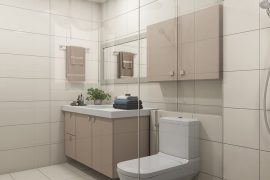
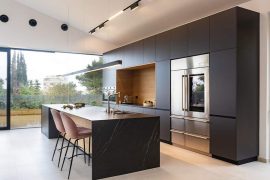
Every interior designer has witnessed this transformation countless times. A homeowner replaces dark flooring with light-colored alternatives, and suddenly the entire space feels transformed. Rooms that previously required multiple lamps during afternoon hours now function comfortably with natural light alone. The phenomenon extends beyond mere aesthetics. Light flooring creates measurable differences in illumination levels, energy consumption, and spatial perception. To make their products appear more attractive, showrooms throughout the largest rug store in Canberra use light-colored displays.
Physics determines brightness
-
Absorption versus reflection
Scientific measurements reveal stark differences between dark and light surface behaviours. White surfaces reflect approximately 80% of incoming light into spaces. This absorption difference explains why identical rooms with different floor colours require vastly different artificial lighting levels. Dark floors waste natural light by converting it to heat rather than distributing it throughout living spaces.
-
Photon distribution patterns
Light waves entering rooms through windows follow predictable paths. Initial contact occurs with flooring surfaces, which either absorb these photons or reflect them upward toward ceilings and walls. Light-colored floors create secondary light sources by redirecting incoming illumination throughout spaces. Multiple reflection cycles occur between floors, walls, and ceilings before light energy dissipates. Each reflection from a light surface adds brightness, while a dark surface encounters a subtraction of illumination through absorption.
Spatial perception changes
-
Boundary elimination effects
Dark floors create definitive visual boundaries that human brains interpret as space limitations. Light floors minimise these psychological barriers by blending with wall colours and reducing harsh contrast lines that emphasise room dimensions. This boundary softening makes identical spaces appear larger when light flooring replaces dark alternatives. Basement renovations demonstrate this effect dramatically. Underground spaces with limited natural light feel cramped and unwelcoming with dark floors, but become livable areas when light flooring maximises available illumination and eliminates visual weight that would otherwise anchor these challenging spaces.
-
Continuity across areas
Open floor plans benefit enormously from light flooring that creates visual flow between functional zones. Dark flooring transitions fragment these spaces into smaller perceived areas while light-colored surfaces maintain unified appearances that enhance the openness modern homeowners desire. Professional space planners routinely specify light flooring for compact homes where visual expansion becomes essential for comfortable living. Studio apartments and small condominiums gain significant perceived square footage through strategic light floor selection.
Cleanliness requirements
Light-colored flooring demands consistent cleaning to maintain optimal light reflection properties. Accumulated dust, dirt, and soil deposits reduce reflective efficiency dramatically, diminishing brightness benefits over time. Weekly cleaning routines preserve both appearance and functional lighting performance. Professional restoration services recover maximum reflectivity by removing embedded soil that regular maintenance cannot address. Annual deep cleaning investments protect both aesthetic appeal and lighting advantages that justify light flooring selection.
Wear patterns affect light floor performance differently from dark alternatives. Traffic areas may develop slight dulling that reduces local reflectivity while surrounding areas maintain optimal brightness. Strategic area rug placement protects high-wear zones while preserving overall lighting benefits. Refinishing schedules for light hardwood floors often extend longer than dark alternatives because brightness benefits mask minor wear patterns that would be obvious on dark surfaces. This extended service life provides additional economic advantages beyond reduced lighting costs.